250 éve született József nádor bélyeg
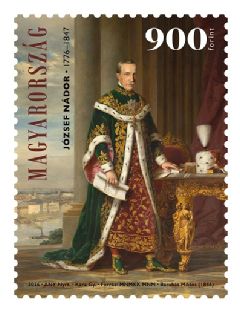
Névérték 900 forint
Típus alkalmi bélyeg
Rövid leírás A Magyar Posta alkalmi bélyeget bocsát ki József nádor (1776–1847) születésének 250. évfordulója alkalmából.
Gyártó nyomda ANY Biztonsági Nyomda Nyrt. (bélyeg), Pátria Nyomda Zrt. (boríték)
Kiadás éve 2026
Kibocsátás időpontja 2026. április 30.
Perforációs méret 30 x 40 mm
Példányszám 40 000
Téma évforduló
Tervező Kara György
Bélyegzett/Postatiszta postatiszta
250 éve született József nádor bélyeg
A Magyar Posta alkalmi bélyeget bocsát ki József nádor (1776–1847) születésének 250. évfordulója alkalmából. A bélyeg a reformkorban, a Magyar Királyság fejlődéséért tett történelmi léptékű érdemei után „a legmagyarabb Habsburg” néven említett osztrák főherceg, magyar és cseh királyi herceg előtt tiszteleg. A bélyeg Kara György grafikusművész tervei alapján az ANY Biztonsági Nyomda Nyrt.-ben készült 40.000 példányban. 2026. április 30-tól kapható a Filapostán, a filatéliai szakszolgálatokon, egyes postákon és a www.posta.hu-n. József nádornak kiemelkedő szerepe volt Pest kulturális és gazdasági központtá fejlesztésében az 1840-es évekre. Neki köszönhető, hogy 1808-ban létrejött a pesti Királyi Szépítő Bizottság nevű városrendező hatóság, amely a későbbiekben egészen 1860-ig működött és döntő szerepe volt Pest gyors, ugyanakkor átgondolt fejlődésében. Emellett városképi jelentőségű épületek emelésének sorát kezdeményezte, illetve segítette elő: így pl. a nevéhez fűződik a Magyar Nemzeti Múzeum, a Német Színház, a Gellért-hegyi csillagvizsgáló, a Ludovika és több vasútvonal építése, tulaj-donképpen Pest-Buda klasszicista arculatának kialakítása, továbbá a Városliget rendezése, a Margit-sziget parkosítása, az új pesti és lipótvárosi negyed fejlesztése, a műszaki felsőoktatás megerősítése. Jelentős adományokkal támogatta többek között a Nemzeti Múzeumot, a Széchényi Könyvtárat és a Magyar Tudós Társaságot, azaz az Akadémiát. Ezeken kívül felkarolt számos haladó polgári kezdeményezést, így ala-kulhatott meg a Magyar Gazdasági Egylet, a Kisfaludy Társaság, a Természettudományi Társaság és a Vakok Intézete is. Ő maga jegyezte az újonnan alakult Kereskedelmi Bank első részvényeit. I. Ferenc osztrák császár és magyar király öccseként hasznosan képviselte a magyar érdekeket az uralkodó felé. Ő vette rá bátyját, hogy – tizenhárom év szünet után – összehívja az első reformországgyűlést. Ő eszközölte ki a kegyelmet a börtönbüntetésre ítélt magyar jakobinusoknak, köztük Kazinczy Ferencnek, 1840-ben Kossuth Lajosnak, Wesselényi Miklósnak és Lovassy Lászlónak, továbbá ő akadályozta meg a Védegylet feloszlatását. Az 1838-as pesti árvíz idején a mentést irányította, majd sokat tett az árvízkárok enyhítéséért. Az alkalmi bélyegen Barabás Miklós József nádorról készített alkotása szerepel, az alkalmi borítékon Than Mór freskója látható, amely a Magyar Nemzeti Múzeumban található, és a Múzeum alapítását ábrázolja. Az elsőnapi bélyegzésű alkalmi borítékon (FDC) található alkalmi bélyegző lenyomatán József nádor tervrajzot tartó jobb kezének stilizált rajza látható.
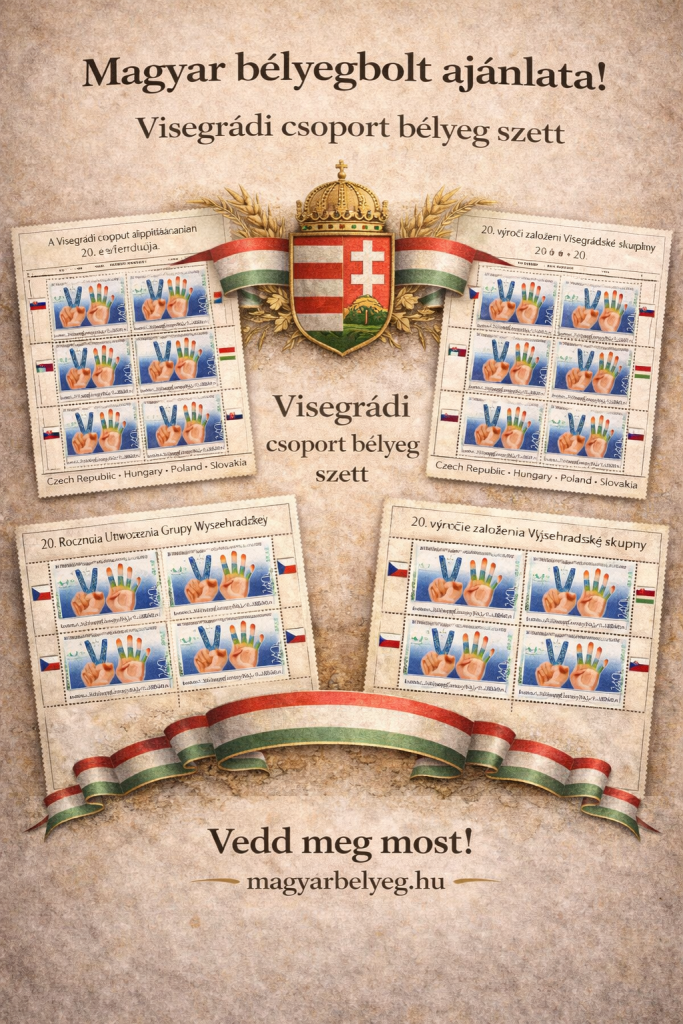
2011 A Visegrádi Csoport alapításának 20. Évfordulója
bélyeg ív szett! Vedd meg most! magyarbelyeg.hu >>
250th anniversary of the birth of Palatine Joseph stamp
Type Commemorative stamp
Short description The Hungarian Post Office is issuing a commemorative stamp on the occasion of the 250th anniversary of the birth of Palatine Joseph (1776–1847).
Printing house ANY Security Printing Company (stamp), Pátria Printing Company (envelope)
Year of issue 2026
Date of issue April 30, 2026
Perforation size 30 x 40 mm
Number of copies 40,000
Denomination 900 forints
Theme anniversary
Designer Kara György
Cancelled/Postatiszta Postatiszta
250th anniversary of the birth of Palatine Joseph stamp
Magyar Posta is issuing a commemorative stamp on the occasion of the 250th anniversary of the birth of Palatine Joseph (1776–1847). The stamp pays tribute to the Austrian Archduke, Hungarian and Czech royal prince, known as “the most Hungarian Habsburg” for his historic contributions to the development of the Kingdom of Hungary during the Reform Era. The stamp was produced by ANY Security Printing House Plc. in 40,000 copies based on the designs of graphic artist György Kara. It will be available from 30 April 2026 at Filaposta, philatelic specialist services, some post offices and at www.posta.hu. Palatine József played an outstanding role in the development of Pest into a cultural and economic centre by the 1840s. It is thanks to him that the city planning authority called the Royal Beautification Committee of Pest was established in 1808, which later operated until 1860 and played a decisive role in the rapid, yet well-considered development of Pest. In addition, he initiated and facilitated the construction of a series of buildings of cityscape significance: e.g. He is responsible for the construction of the Hungarian National Museum, the German Theatre, the Gellért Hill Observatory, the Ludovika and several railway lines, in fact, for the development of the classicist image of Pest-Buda, as well as the arrangement of the City Park, the landscaping of Margaret Island, the development of the new Pest and Lipótváros districts, and the strengthening of technical higher education. He supported the National Museum, the Széchényi Library and the Hungarian Scholars' Society, i.e. the Academy, with significant donations. In addition, he embraced numerous progressive civic initiatives, which led to the formation of the Hungarian Economic Association, the Kisfaludy Society, the Natural History Society and the Institute for the Blind. He himself subscribed to the first shares of the newly established Commercial Bank. As the younger brother of Franz I, Emperor of Austria and King of Hungary, he usefully represented Hungarian interests towards the ruler. He persuaded his brother to convene the first reform parliament after a thirteen-year hiatus. He secured the pardon of Hungarian Jacobins sentenced to prison, including Ferenc Kazinczy, and in 1840 Lajos Kossuth, Miklós Wesselényi and László Lovassy, and he also prevented the dissolution of the Védegylet. During the Pest flood of 1838, he directed the rescue operation and then did much to alleviate the flood damage. The commemorative stamp features a painting by Miklós Barabás of Palatine József, while the commemorative envelope features a fresco by Mór Than, which is in the Hungarian National Museum and depicts the founding of the Museum. The commemorative stamp on the First Day Cover (FDC) shows a stylized drawing of Palatine József's right hand holding a blueprint.